The Importance of Tree Maintenance for Long-Term Growth
Introduction
Trees are valuable parts of our natural environment, but planting them is only the first step toward creating a greener world. To grow properly and provide lasting benefits, trees need regular attention and suitable growing conditions. Proper maintenance helps trees remain healthy, strong, and resistant to environmental stress. Whether growing in gardens, parks, farms, or forests, well-maintained trees contribute to cleaner air, healthier soil, and more attractive surroundings.
1. Providing Adequate Water
Water is essential for tree growth because it supports photosynthesis and transports nutrients throughout the plant. Newly planted trees usually need regular watering while their roots become established. The amount of water required depends on the species, soil conditions, temperature, and rainfall. Deep watering can encourage roots to grow further into the soil.
2. Maintaining Healthy Soil
Healthy soil provides trees with the nutrients, air, and moisture they need. Compacted or damaged soil can prevent roots from developing properly. Adding organic matter, applying mulch, and avoiding unnecessary digging around the root zone can improve growing conditions. Protecting the soil is just as important as caring for the visible parts of a tree.
3. Practicing Proper Pruning
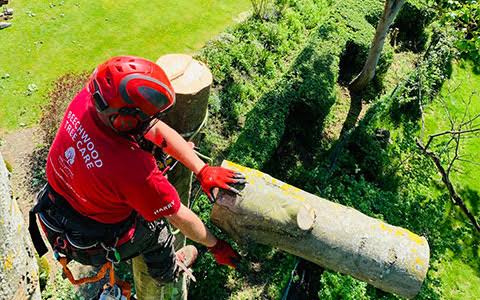
Pruning involves carefully removing selected branches to maintain tree health and structure. Dead, diseased, or damaged branches may need removal to reduce safety risks and prevent further problems. However, excessive pruning can weaken a tree and interfere with its natural growth. Large branches should be handled by trained professionals.
4. Monitoring for Pests and Diseases
Trees can be affected by insects, fungi, bacteria, and other harmful organisms. Early signs of problems may include unusual leaf discoloration, holes in leaves, damaged bark, or branches that begin to die. Regular observation helps identify issues before they become severe. Appropriate treatment should be selected according to the specific problem.
5. Protecting Young Trees
Young trees are often more vulnerable to strong winds, animals, accidental damage, and extreme temperatures. Protective guards can prevent damage to trunks, while suitable supports may help newly planted trees in exposed locations. However, supports should not restrict trunk movement or remain attached longer than necessary.
6. Providing Enough Space to Grow
Trees need sufficient space for their roots, trunks, and branches to develop. Planting them too close to buildings, roads, underground pipes, or power lines can create problems as they mature. Selecting an appropriate planting location helps prevent future damage and reduces the need for unnecessary cutting.
7. Preparing Trees for Seasonal Changes
Different seasons create different challenges for trees. During hot weather, some species need additional water and protection from excessive heat. Heavy rainfall can create drainage problems, while storms may break weak branches. Seasonal inspections and appropriate care help trees remain healthy throughout the year.
8. Seeking Professional Advice
Some tree problems require expert knowledge and equipment. Arborists and trained forestry professionals can assess tree structure, diagnose diseases, recommend suitable treatments, and identify potential safety hazards. Their guidance helps property owners make responsible decisions and avoid damaging valuable trees.
Conclusion
Proper tree maintenance is essential for long-term growth and environmental protection. Regular watering, healthy soil management, careful pruning, and early detection of diseases can significantly improve tree health. Giving trees enough space and protecting them from physical damage also supports their development. By making tree care a continuous responsibility rather than a one-time activity, individuals and communities can preserve valuable trees and enjoy their benefits for many years.
Leave a Reply