The Role of Trees in Supporting Human Life and Well-Being
Introduction
Trees are essential to human life because they provide natural resources and environmental benefits that support healthy communities. From producing fruits and providing shade to improving air quality and protecting soil, trees contribute to many aspects of everyday life. Although people often appreciate trees for their beauty, their importance goes much deeper. Protecting trees is necessary for maintaining a healthy environment and ensuring a better quality of life for future generations.
1. Providing Essential Resources
Trees provide many useful products, including fruits, nuts, seeds, timber, paper materials, and certain medicinal resources. These products support households, businesses, and industries. Many communities also depend on tree-based resources for their daily needs and economic activities.
2. Supporting Physical Health
Trees improve outdoor environments by providing shade and helping reduce surrounding temperatures. Parks and tree-lined streets encourage people to walk, exercise, and spend time outside. Green spaces can also provide comfortable places for families and individuals to relax and enjoy nature.
3. Improving Mental Well-Being
Natural surroundings can have a positive effect on mental well-being. Spending time in parks, gardens, and wooded areas may help people feel calmer and less stressed. Green spaces also provide opportunities for social interaction, recreation, and connection with the natural world.
4. Protecting Food Security
Many trees produce foods that contribute to human nutrition. Mangoes, oranges, apples, dates, olives, and various nuts are examples of valuable tree products. Fruit trees can support household food supplies and provide farmers with additional income. They also contribute to agricultural diversity.
5. Creating a Comfortable Living Environment
Trees help make residential areas more comfortable by providing shade and reducing the effects of excessive heat. They can also serve as windbreaks and improve the appearance of neighborhoods. Properly planned tree planting around homes, schools, and public buildings creates more welcoming surroundings.
6. Supporting Education and Research
Trees provide valuable opportunities for environmental education. Students can learn about photosynthesis, biodiversity, climate, soil conservation, and ecosystems by observing trees. Researchers also study trees to understand environmental changes and develop better conservation methods.
7. Strengthening Community Relationships
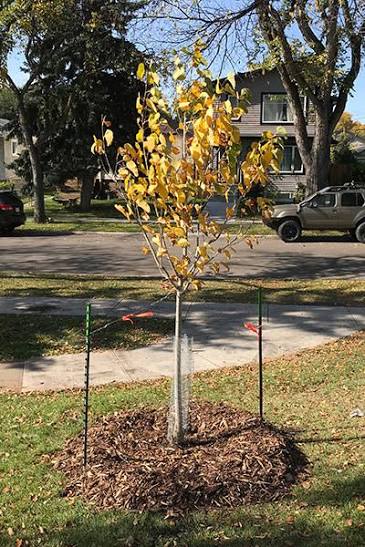
Community tree-planting projects bring people together for a common purpose. Residents, students, teachers, and local organizations can cooperate to plant and maintain trees in public spaces. These activities encourage teamwork, environmental responsibility, and pride in local surroundings.
8. Preserving Resources for Future Generations
Trees take years to mature, making their protection a long-term responsibility. Cutting down trees without proper replacement can reduce natural resources and damage ecosystems. Responsible forestry, careful planting, and regular maintenance help ensure that future generations can continue benefiting from healthy trees.
Conclusion
Trees contribute to human well-being in countless ways. They provide food and useful materials, support physical and mental health, improve living conditions, and create opportunities for education and community cooperation. Their environmental benefits also help maintain the natural systems on which people depend. By protecting existing trees, planting suitable species, and encouraging responsible care, we can build healthier communities and preserve valuable natural resources for the future.