The Importance of Trees in Protecting the Environment from Pollution
Introduction
Environmental pollution is a major challenge affecting human health, wildlife, and natural ecosystems. Smoke from vehicles, industrial emissions, plastic waste, and harmful chemicals contribute to the deterioration of air, water, and soil quality. Trees play an important role in reducing some of these environmental problems. They act as natural filters, protect the land, and support healthier ecosystems. Protecting trees and increasing green spaces can contribute to a cleaner and safer environment.
1. Reducing Air Pollution
Trees help improve air quality by capturing dust, smoke particles, and other pollutants on their leaves and branches. They also absorb certain gases through their leaves. Planting trees in suitable locations around roads, schools, and residential areas can help reduce people’s exposure to some airborne pollutants.
2. Absorbing Harmful Carbon Dioxide
Carbon dioxide is released through activities such as burning fossil fuels and deforestation. Trees absorb this gas during photosynthesis and store carbon in their trunks, branches, roots, and soil. Protecting forests and planting appropriate tree species can help reduce the amount of carbon dioxide in the atmosphere over time.
3. Protecting Water from Pollution
Trees growing near rivers, lakes, and streams help protect water quality. Their roots stabilize soil and reduce the movement of sediment into waterways. Vegetation can also trap some pollutants carried by surface runoff before they reach rivers and other water sources.
4. Preventing Soil Contamination and Erosion
Healthy vegetation helps protect soil from erosion caused by wind and rainfall. Tree roots hold soil particles together, while fallen leaves create a natural protective covering. This reduces the movement of exposed soil and helps prevent sediment and certain pollutants from spreading into nearby areas.
5. Reducing Noise Pollution
Trees and dense vegetation can help reduce the perception of noise from busy roads and industrial areas. They provide natural barriers that improve the appearance of neighborhoods and create more comfortable outdoor spaces. Carefully designed green belts can be useful additions to urban planning.
6. Creating Healthier Urban Environments
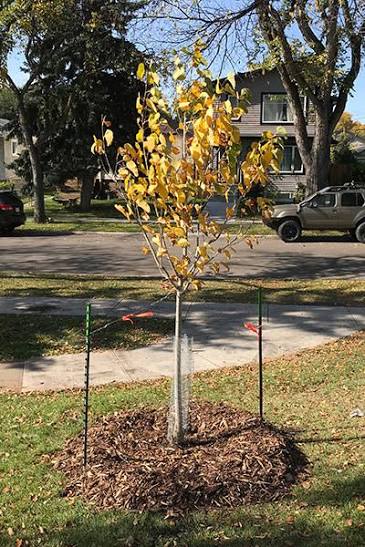
Trees improve the quality of urban spaces by providing shade, cooling the surrounding environment, and supporting wildlife. Parks and roadside plantations can make cities more attractive and encourage outdoor activities. Green spaces also provide places where people can relax and connect with nature.
7. Encouraging Responsible Waste Management
Although trees help improve environmental conditions, they cannot replace proper pollution control. Communities must also reduce plastic waste, recycle materials, treat industrial wastewater, and limit harmful emissions. Combining tree protection with responsible waste management produces stronger environmental results.
8. Promoting Community Participation
Environmental protection becomes more effective when individuals work together. Residents can participate in tree-planting campaigns, protect existing trees, avoid littering, and support local conservation projects. Schools and community organizations can organize educational activities to encourage environmentally responsible behavior.
Conclusion
Trees are valuable natural resources that help reduce certain forms of environmental pollution. They improve air quality, protect soil and water, absorb carbon dioxide, and create healthier surroundings. However, protecting the environment requires more than planting trees alone. Responsible waste disposal, pollution control, and forest conservation must also be part of the solution. By working together, communities can create cleaner, greener, and healthier places for present and future generations.
Leave a Reply