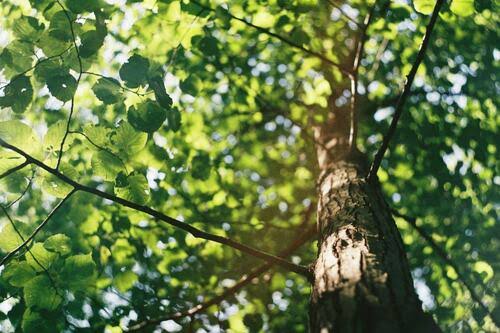
The Importance of Trees in Combating Desertification
Introduction
Desertification is a serious environmental problem that affects dry and semi-dry regions around the world. It occurs when fertile land gradually loses its productivity due to factors such as deforestation, drought, soil erosion, overgrazing, and poor agricultural practices. Trees play an important role in preventing land degradation and restoring damaged landscapes. Their roots protect the soil, their leaves provide organic matter, and their branches create shelter for other plants and animals.
1. Preventing Soil Erosion
One of the most important ways trees fight desertification is by protecting soil from erosion. Their roots hold soil particles together and reduce the amount of land carried away by wind and rain. This helps preserve fertile topsoil, which is necessary for growing crops and supporting natural vegetation.
2. Reducing Strong Winds
In dry regions, strong winds can remove loose soil and create dust storms. Trees planted in rows can act as windbreaks, reducing wind speed and protecting nearby farmland and settlements. These natural barriers help keep valuable soil in place and improve conditions for agriculture.
3. Improving Soil Fertility
Trees contribute organic matter through fallen leaves, small branches, and decaying roots. As this material decomposes, it adds nutrients to the soil and supports beneficial organisms. Improved soil structure can also increase its ability to retain water and support plant growth.
4. Conserving Water
Trees help rainwater enter the ground by improving soil structure and creating pathways through their roots. Their shade can reduce direct sunlight on the soil, slowing moisture loss from the surface. In dry regions, selecting drought-tolerant native species is especially important to avoid putting additional pressure on limited water supplies.
5. Supporting Agricultural Activities
Farmers can benefit from planting trees around agricultural fields. Trees provide shade, protect crops from strong winds, and help improve soil conditions. Agroforestry systems combine trees with crops or livestock, allowing farmers to use land more productively while supporting environmental conservation.
6. Providing Food and Income
Trees that produce fruits, nuts, seeds, and other useful products can provide additional income for families living in dry regions. Species such as date palms and locally adapted fruit trees may support livelihoods when grown under suitable conditions. These economic benefits can encourage communities to protect and maintain vegetation.
7. Restoring Degraded Land
Tree planting can be part of larger land restoration projects. However, successful restoration requires more than placing seedlings in the ground. Projects should improve soil conditions, manage grazing, conserve water, and select species adapted to local environments. Natural regeneration should also be encouraged where possible.
8. Encouraging Community Cooperation
Preventing desertification requires long-term cooperation between farmers, local communities, environmental organizations, and governments. Communities can protect existing vegetation, prevent unnecessary tree cutting, manage grazing areas, and participate in restoration programs. Education can help people understand the importance of protecting dryland ecosystems.
Conclusion
Trees are powerful natural allies in the fight against desertification. They protect soil from erosion, reduce wind damage, improve fertility, and support water conservation. They also provide food, income, and shelter for communities and wildlife. Protecting existing vegetation and planting suitable native species can help restore degraded land and strengthen dryland ecosystems. Through responsible land management and community participation, we can protect fertile landscapes for future generations.
Leave a Reply