Author: adm_bml6o6sm

  • Untitled post 19

    The Role of Trees in Supporting Human Life and Well-Being

    Introduction

    Trees are essential to human life because they provide natural resources and environmental benefits that support healthy communities. From producing fruits and providing shade to improving air quality and protecting soil, trees contribute to many aspects of everyday life. Although people often appreciate trees for their beauty, their importance goes much deeper. Protecting trees is necessary for maintaining a healthy environment and ensuring a better quality of life for future generations.

    1. Providing Essential Resources

    Trees provide many useful products, including fruits, nuts, seeds, timber, paper materials, and certain medicinal resources. These products support households, businesses, and industries. Many communities also depend on tree-based resources for their daily needs and economic activities.

    2. Supporting Physical Health

    Trees improve outdoor environments by providing shade and helping reduce surrounding temperatures. Parks and tree-lined streets encourage people to walk, exercise, and spend time outside. Green spaces can also provide comfortable places for families and individuals to relax and enjoy nature.

    3. Improving Mental Well-Being

    Natural surroundings can have a positive effect on mental well-being. Spending time in parks, gardens, and wooded areas may help people feel calmer and less stressed. Green spaces also provide opportunities for social interaction, recreation, and connection with the natural world.

    4. Protecting Food Security

    Many trees produce foods that contribute to human nutrition. Mangoes, oranges, apples, dates, olives, and various nuts are examples of valuable tree products. Fruit trees can support household food supplies and provide farmers with additional income. They also contribute to agricultural diversity.

    5. Creating a Comfortable Living Environment

    Trees help make residential areas more comfortable by providing shade and reducing the effects of excessive heat. They can also serve as windbreaks and improve the appearance of neighborhoods. Properly planned tree planting around homes, schools, and public buildings creates more welcoming surroundings.

    6. Supporting Education and Research

    Trees provide valuable opportunities for environmental education. Students can learn about photosynthesis, biodiversity, climate, soil conservation, and ecosystems by observing trees. Researchers also study trees to understand environmental changes and develop better conservation methods.

    7. Strengthening Community Relationships

    Community tree-planting projects bring people together for a common purpose. Residents, students, teachers, and local organizations can cooperate to plant and maintain trees in public spaces. These activities encourage teamwork, environmental responsibility, and pride in local surroundings.

    8. Preserving Resources for Future Generations

    Trees take years to mature, making their protection a long-term responsibility. Cutting down trees without proper replacement can reduce natural resources and damage ecosystems. Responsible forestry, careful planting, and regular maintenance help ensure that future generations can continue benefiting from healthy trees.

    Conclusion

    Trees contribute to human well-being in countless ways. They provide food and useful materials, support physical and mental health, improve living conditions, and create opportunities for education and community cooperation. Their environmental benefits also help maintain the natural systems on which people depend. By protecting existing trees, planting suitable species, and encouraging responsible care, we can build healthier communities and preserve valuable natural resources for the future.
  • Untitled post 18

    Understanding the Signs of Unhealthy Trees

    Trees often communicate their condition through subtle changes in their leaves, branches, bark, and overall growth. Learning to recognize these changes can help property owners identify potential problems before they become severe. Although some symptoms are part of normal seasonal development, others may indicate disease, pest activity, environmental stress, or structural damage. Regular observation is one of the simplest ways to support healthier trees and maintain a safer outdoor environment.

    Changes in foliage are among the most noticeable warning signs. Leaves that develop unusual spots, turn brown prematurely, or fall outside their normal seasonal cycle may indicate that a tree is experiencing stress. These symptoms can result from insufficient water, excessive moisture, nutrient deficiencies, insects, or fungal infections. The pattern of damage often provides useful clues. For example, widespread leaf discoloration may suggest an environmental issue, while localized damage could point toward a particular pest or disease.

    Branch condition can also reveal important information. Healthy branches generally produce growth appropriate for the species and season. When individual branches begin dying while the rest of the canopy remains healthy, the cause may be localized damage, disease, or an insect infestation. If several branches decline at the same time, the tree may be experiencing a broader problem involving its roots or growing environment. Dead branches should be evaluated because they can become hazardous as they weaken.

    Bark provides another useful indication of tree health. Deep cracks, large areas of missing bark, unusual swelling, and sections that appear damaged may deserve attention. Some trees naturally develop textured or peeling bark as they mature, so appearance alone does not always indicate a problem. However, sudden changes or injuries caused by equipment should be monitored. Bark damage can expose living tissues and create opportunities for decay organisms to enter the tree.

    The area around the trunk should also be examined. Fungal growth near the base, exposed roots, soil movement, and visible changes in the root flare may indicate conditions that require investigation. Certain fungi can be associated with wood decay or root deterioration, although not every mushroom growing near a tree is harmful. Accurate identification is important before deciding whether treatment or further inspection is necessary.

    Water-related stress is another common cause of declining tree health. During drought, leaves may wilt, curl, or develop dry edges. Excessive moisture can create different problems by reducing oxygen availability in the soil. Trees growing in poorly drained locations may experience gradual root deterioration, even when their foliage initially appears normal. Monitoring soil moisture and drainage helps property owners understand whether watering practices need adjustment.

    Insects can affect trees in several ways. Some feed on leaves and create visible holes or discoloration, while others attack bark and internal wood. Small entry holes, sawdust-like material, unusual insect activity, and weakened branches may indicate an infestation. Not every insect is harmful, however, and many species contribute positively to the local ecosystem. Identifying the insect before applying any treatment helps protect beneficial organisms and avoid unnecessary chemical use.

    Environmental conditions should always be considered when evaluating an unhealthy tree. Construction work, compacted soil, changes in drainage, excessive pruning, and accidental trunk injuries can all contribute to decline. Sometimes a tree shows symptoms months or even years after the original damage occurred. Understanding recent changes around the property can therefore help explain why a previously healthy tree has started struggling.

    When several warning signs appear together, professional evaluation becomes especially important. A qualified arborist can inspect the canopy, trunk, and root area to identify possible causes and recommend appropriate care. Trees with major cracks, sudden leaning, extensive decay, or large hanging branches should be assessed promptly because they may present safety concerns.

    Recognizing unhealthy tree symptoms allows property owners to respond before damage becomes more difficult to manage. Careful observation, suitable watering, soil protection, and responsible maintenance all contribute to stronger trees. When unusual changes appear, identifying the underlying cause is more effective than simply treating the visible symptoms. This approach helps preserve valuable landscape trees and supports their health over the long term.

  • Untitled post 17

    The Importance of Trees in Combating Desertification

    Introduction

    Desertification is a serious environmental problem that affects dry and semi-dry regions around the world. It occurs when fertile land gradually loses its productivity due to factors such as deforestation, drought, soil erosion, overgrazing, and poor agricultural practices. Trees play an important role in preventing land degradation and restoring damaged landscapes. Their roots protect the soil, their leaves provide organic matter, and their branches create shelter for other plants and animals.

    1. Preventing Soil Erosion

    One of the most important ways trees fight desertification is by protecting soil from erosion. Their roots hold soil particles together and reduce the amount of land carried away by wind and rain. This helps preserve fertile topsoil, which is necessary for growing crops and supporting natural vegetation.

    2. Reducing Strong Winds

    In dry regions, strong winds can remove loose soil and create dust storms. Trees planted in rows can act as windbreaks, reducing wind speed and protecting nearby farmland and settlements. These natural barriers help keep valuable soil in place and improve conditions for agriculture.

    3. Improving Soil Fertility

    Trees contribute organic matter through fallen leaves, small branches, and decaying roots. As this material decomposes, it adds nutrients to the soil and supports beneficial organisms. Improved soil structure can also increase its ability to retain water and support plant growth.

    4. Conserving Water

    Trees help rainwater enter the ground by improving soil structure and creating pathways through their roots. Their shade can reduce direct sunlight on the soil, slowing moisture loss from the surface. In dry regions, selecting drought-tolerant native species is especially important to avoid putting additional pressure on limited water supplies.

    5. Supporting Agricultural Activities

    Farmers can benefit from planting trees around agricultural fields. Trees provide shade, protect crops from strong winds, and help improve soil conditions. Agroforestry systems combine trees with crops or livestock, allowing farmers to use land more productively while supporting environmental conservation.

    6. Providing Food and Income

    Trees that produce fruits, nuts, seeds, and other useful products can provide additional income for families living in dry regions. Species such as date palms and locally adapted fruit trees may support livelihoods when grown under suitable conditions. These economic benefits can encourage communities to protect and maintain vegetation.

    7. Restoring Degraded Land

    Tree planting can be part of larger land restoration projects. However, successful restoration requires more than placing seedlings in the ground. Projects should improve soil conditions, manage grazing, conserve water, and select species adapted to local environments. Natural regeneration should also be encouraged where possible.

    8. Encouraging Community Cooperation

    Preventing desertification requires long-term cooperation between farmers, local communities, environmental organizations, and governments. Communities can protect existing vegetation, prevent unnecessary tree cutting, manage grazing areas, and participate in restoration programs. Education can help people understand the importance of protecting dryland ecosystems.

    Conclusion

    Trees are powerful natural allies in the fight against desertification. They protect soil from erosion, reduce wind damage, improve fertility, and support water conservation. They also provide food, income, and shelter for communities and wildlife. Protecting existing vegetation and planting suitable native species can help restore degraded land and strengthen dryland ecosystems. Through responsible land management and community participation, we can protect fertile landscapes for future generations.

  • Untitled post 16

    Preparing Landscape Trees for Long-Term Health

    A well-planned landscape can remain attractive for decades when its trees receive consistent attention. Trees are living features that continue changing as they grow, respond to weather, and interact with their surroundings. Their needs may also change as nearby buildings, gardens, and outdoor structures develop. Long-term tree care focuses on understanding these changes and providing the right maintenance before small concerns become expensive problems.

    Planning begins with knowing what grows on the property. Identifying tree species helps determine their expected size, preferred growing conditions, and common maintenance requirements. Some trees naturally develop wide canopies, while others grow taller with relatively narrow shapes. Understanding these characteristics makes it easier to decide whether a tree has enough room and whether nearby structures could eventually become obstacles. This knowledge is particularly valuable when planning new landscaping projects.

    A tree inventory can make property maintenance more organized. Recording the location, approximate age, species, and general condition of important trees provides a useful reference for future inspections. Property owners can also note previous pruning, visible damage, and recurring health concerns. Keeping these observations in one place makes it easier to recognize gradual changes that might otherwise go unnoticed. It also provides helpful information when consulting a professional arborist.

    Protecting the growing environment should remain a priority. Trees need healthy soil, adequate moisture, and sufficient space for their roots. Landscaping changes can unintentionally interfere with these requirements. Raising soil levels around a trunk, installing impermeable surfaces over root areas, or repeatedly compacting the ground may affect tree health. Before making major changes near established trees, property owners should consider how the work could influence underground roots and drainage patterns.

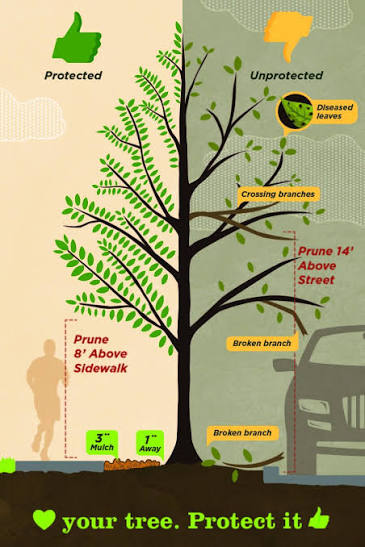
    Canopy maintenance should be based on the tree’s natural structure. Removing dead or damaged branches can reduce hazards, while selective pruning may improve clearance around buildings and walkways. However, every tree does not require the same pruning schedule. Some species need very little intervention when planted in suitable locations. Others may benefit from periodic structural maintenance, particularly when growing in confined urban environments. Avoiding unnecessary cutting helps preserve natural strength.

    Weather preparation is another part of long-term planning. Trees may experience stress during extended drought, severe storms, unusually cold winters, or intense summer heat. A tree that grows well under normal conditions may struggle when environmental conditions change suddenly. Regular inspections can help identify weak branches, damaged trunks, and other concerns before difficult weather arrives. After a severe storm, damaged trees should be assessed carefully, especially when large limbs remain suspended in the canopy.

    Managing pests and diseases requires patience and accurate identification. Unusual leaf patterns, holes in the bark, premature leaf loss, and declining branches may indicate an underlying issue. However, similar symptoms can result from several different causes. Applying treatments without understanding the problem may produce disappointing results and unnecessary expense. When symptoms persist or spread, professional diagnosis can help identify the most appropriate management strategy.

    Tree protection should also be included in construction and renovation planning. Excavation, utility installation, driveway improvements, and building extensions can all affect nearby trees. Root damage may not produce immediate symptoms, so the full impact of construction activity can become apparent much later. Identifying important trees before work begins allows property owners and contractors to establish protective areas and reduce unnecessary disturbance.

    Long-term maintenance also involves recognizing when a tree may need professional attention. Significant trunk cracks, extensive decay, major dead branches, and sudden changes in stability should never be ignored. Qualified arborists can evaluate structural conditions and explain suitable options for preserving or managing a tree. Their advice can help property owners balance landscape goals with safety requirements.

    Healthy landscapes are created through consistent planning rather than occasional emergency work. By maintaining records, protecting root systems, monitoring tree condition, and scheduling appropriate maintenance, property owners can make informed decisions throughout a tree’s life. A thoughtful long-term approach helps preserve valuable trees, improve outdoor spaces, and support a healthier environment for future generations.

  • Untitled post 15

    The Importance of Trees in Protecting the Environment from Pollution

    Introduction

    Environmental pollution is a major challenge affecting human health, wildlife, and natural ecosystems. Smoke from vehicles, industrial emissions, plastic waste, and harmful chemicals contribute to the deterioration of air, water, and soil quality. Trees play an important role in reducing some of these environmental problems. They act as natural filters, protect the land, and support healthier ecosystems. Protecting trees and increasing green spaces can contribute to a cleaner and safer environment.

    1. Reducing Air Pollution

    Trees help improve air quality by capturing dust, smoke particles, and other pollutants on their leaves and branches. They also absorb certain gases through their leaves. Planting trees in suitable locations around roads, schools, and residential areas can help reduce people’s exposure to some airborne pollutants.

    2. Absorbing Harmful Carbon Dioxide

    Carbon dioxide is released through activities such as burning fossil fuels and deforestation. Trees absorb this gas during photosynthesis and store carbon in their trunks, branches, roots, and soil. Protecting forests and planting appropriate tree species can help reduce the amount of carbon dioxide in the atmosphere over time.

    3. Protecting Water from Pollution

    Trees growing near rivers, lakes, and streams help protect water quality. Their roots stabilize soil and reduce the movement of sediment into waterways. Vegetation can also trap some pollutants carried by surface runoff before they reach rivers and other water sources.

    4. Preventing Soil Contamination and Erosion

    Healthy vegetation helps protect soil from erosion caused by wind and rainfall. Tree roots hold soil particles together, while fallen leaves create a natural protective covering. This reduces the movement of exposed soil and helps prevent sediment and certain pollutants from spreading into nearby areas.

    5. Reducing Noise Pollution

    Trees and dense vegetation can help reduce the perception of noise from busy roads and industrial areas. They provide natural barriers that improve the appearance of neighborhoods and create more comfortable outdoor spaces. Carefully designed green belts can be useful additions to urban planning.

    6. Creating Healthier Urban Environments

    Trees improve the quality of urban spaces by providing shade, cooling the surrounding environment, and supporting wildlife. Parks and roadside plantations can make cities more attractive and encourage outdoor activities. Green spaces also provide places where people can relax and connect with nature.

    7. Encouraging Responsible Waste Management

    Although trees help improve environmental conditions, they cannot replace proper pollution control. Communities must also reduce plastic waste, recycle materials, treat industrial wastewater, and limit harmful emissions. Combining tree protection with responsible waste management produces stronger environmental results.

    8. Promoting Community Participation

    Environmental protection becomes more effective when individuals work together. Residents can participate in tree-planting campaigns, protect existing trees, avoid littering, and support local conservation projects. Schools and community organizations can organize educational activities to encourage environmentally responsible behavior.

    Conclusion

    Trees are valuable natural resources that help reduce certain forms of environmental pollution. They improve air quality, protect soil and water, absorb carbon dioxide, and create healthier surroundings. However, protecting the environment requires more than planting trees alone. Responsible waste disposal, pollution control, and forest conservation must also be part of the solution. By working together, communities can create cleaner, greener, and healthier places for present and future generations.

  • Untitled post 14

    Maintaining Beautiful Trees With Smart Pruning

    Trees give outdoor spaces a natural sense of balance and beauty. Their branches create shade, their foliage adds color, and their presence makes residential and commercial landscapes more inviting. However, as trees grow, some branches may become damaged, overcrowded, or poorly positioned. Proper pruning helps manage these conditions while supporting healthy development and maintaining the natural appearance of each tree.

    Pruning is more than simply cutting branches to create a particular shape. Every cut affects the tree’s structure and should serve a clear purpose. Removing dead, broken, or diseased limbs can reduce potential hazards and help prevent certain problems from spreading. Selective pruning may also improve branch spacing, allowing sunlight to reach more areas of the canopy. A balanced canopy supports healthy foliage and helps the tree maintain its natural form.

    Understanding the correct time to prune is important. Different tree species respond differently to pruning throughout the year. Some deciduous trees are commonly pruned during dormancy, while flowering trees may benefit from pruning after their seasonal blooms have finished. Trees that have been damaged by storms may require attention regardless of the season, particularly when broken branches create immediate safety concerns. Before starting, property owners should understand the species and the reason for the work.

    Young trees benefit from structural pruning as they develop. During their early years, branches can be guided toward a stronger arrangement that supports the future canopy. Identifying competing leaders, weak attachments, and crossing branches early may prevent complicated problems as the tree matures. Small, carefully selected cuts are generally preferable to removing large sections of growth later. A qualified arborist can recommend an appropriate approach for trees with unusual structures.

    Mature trees require a more conservative pruning strategy. Their established canopies contribute significantly to their health, and removing too much foliage can reduce their ability to produce energy. Excessive cutting may also encourage weak shoots that are poorly attached to the remaining branches. Rather than attempting to reduce the entire canopy, maintenance should focus on specific concerns such as deadwood, damaged limbs, and branches interfering with nearby structures.

    Using suitable equipment and techniques is equally important. Pruning tools should be sharp and appropriate for the size of the branch being removed. Large limbs may require specialized equipment and carefully planned cutting methods to prevent bark tearing. Cutting too close to the trunk can damage important tissues, while leaving excessive branch stubs may interfere with normal wound closure. Proper cuts help the tree respond more effectively to pruning.

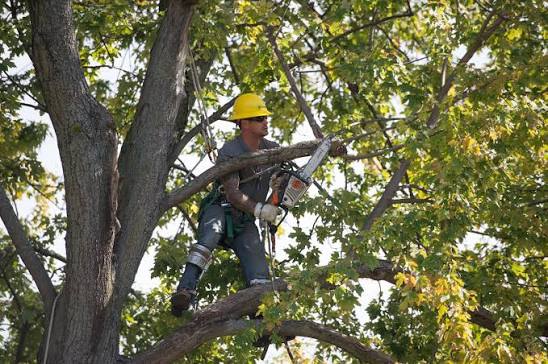
    Safety should always be considered before beginning tree work. Branches located above roofs, vehicles, walkways, and electrical lines can create dangerous working conditions. Heavy limbs may shift unexpectedly when cut, and climbing without suitable equipment can lead to serious injuries. Property owners should avoid attempting complex pruning jobs and seek assistance from trained tree care professionals when the work involves significant height, weight, or structural risk.

    Pruning decisions should also account for the tree’s overall health. Trees experiencing drought stress, severe disease, or root damage may have limited ability to recover from unnecessary cutting. In these situations, identifying and addressing the underlying problem is more important than changing the tree’s appearance. Professional assessment can help determine whether pruning is beneficial or whether another maintenance approach is needed.

    Regular observation makes pruning more effective over time. Inspecting trees during different seasons helps property owners notice developing problems before branches become hazardous. Keeping records of previous maintenance can also help track changes in growth and identify recurring concerns. This approach supports better decisions and prevents unnecessary work.

    Thoughtful pruning protects both the appearance and structure of landscape trees. When performed at suitable times and with proper techniques, it helps remove damaged growth while preserving healthy branches. Combining careful pruning with appropriate watering, soil management, and regular inspections creates a strong foundation for long-lasting tree health.

  • Untitled post 13

    The Economic Value of Trees in Everyday Life

    Introduction

    Trees are not only important for protecting the environment; they also contribute significantly to the economy. From providing food and raw materials to supporting tourism and creating employment, trees offer many financial benefits to individuals and communities. Their value extends far beyond the products people obtain from them. Healthy trees also reduce environmental costs and improve the quality of life. Understanding their economic importance encourages people to protect and manage them responsibly.

    1. Providing Food and Agricultural Products

    Many trees produce valuable foods, including mangoes, apples, oranges, dates, olives, and nuts. These products support household nutrition and provide income for farmers and traders. Fruit-growing businesses also create employment in harvesting, packaging, transportation, and marketing.

    2. Creating Employment Opportunities

    Forestry and tree-related industries provide jobs for many people. Workers are employed in tree nurseries, landscaping, forest management, timber production, fruit farming, and environmental conservation. Tree-planting and maintenance programs can also create opportunities for local workers and small businesses.

    3. Supporting the Timber Industry

    Trees provide timber used in furniture, construction, flooring, and other products. Wood is an important material in many industries, but excessive logging can destroy forests and damage ecosystems. Sustainable forestry practices help ensure that trees are harvested responsibly and forests have opportunities to regenerate.

    4. Reducing Energy Expenses

    Trees planted around buildings can provide shade during hot weather and reduce the amount of direct sunlight reaching walls and windows. This can help lower indoor temperatures and reduce the need for air conditioning. Properly positioned trees can therefore contribute to energy savings for households and businesses.

    5. Supporting Tourism and Recreation

    Forests, botanical gardens, and tree-filled parks attract visitors who enjoy natural scenery and outdoor activities. These destinations can support local hotels, restaurants, transportation services, and small businesses. Ecotourism also creates opportunities to promote environmental awareness while generating income for communities.

    6. Increasing Property Appeal

    Well-maintained trees can improve the appearance of residential and commercial properties. Attractive landscapes often make neighborhoods more pleasant and can increase the appeal of properties to potential buyers and renters. However, tree species and planting locations should be selected carefully to avoid future damage to buildings and infrastructure.

    7. Supporting Agriculture and Livestock

    Trees can provide shade and shelter for farm animals, helping protect them from harsh weather. In agricultural systems, trees may also act as windbreaks, reduce soil erosion, and contribute organic matter to the land. Agroforestry combines trees with crops or livestock and can help farmers diversify their sources of income.

    8. Saving Money Through Environmental Protection

    Trees provide valuable environmental services that can reduce certain public and private expenses. They help manage rainfall, stabilize soil, provide shade, and improve local environmental conditions. These benefits can reduce pressure on drainage systems, lower cooling needs, and support healthier communities.

    Conclusion

    Trees have enormous economic value in addition to their environmental importance. They provide food, timber, employment, recreational opportunities, and energy-saving benefits. They also support agriculture and make communities more attractive. However, these advantages depend on responsible planting, protection, and management. By investing in healthy trees and sustainable forestry, societies can strengthen local economies while preserving natural resources for future generations.

  • Untitled post 12

    Why Healthy Roots Matter in Tree Care

    A tree’s strength begins beneath the ground. While branches, leaves, and trunks receive most of the attention, the root system performs essential work that determines how successfully a tree grows. Roots absorb water and nutrients, anchor the tree, and interact with the surrounding soil. When roots remain healthy, trees are generally better equipped to withstand environmental stress and maintain steady development. Understanding root care is therefore an important part of responsible landscape maintenance.

    Tree roots need sufficient space to expand. In natural environments, many root systems spread outward well beyond the area directly beneath the trunk. However, residential and commercial landscapes often contain sidewalks, driveways, foundations, and underground utilities that restrict available growing space. Planting trees in suitable locations helps prevent future conflicts and gives roots a better opportunity to develop. Property owners should consider the mature size of a species before choosing where to plant it.

    Soil compaction is one of the most common threats to root development. When soil particles are pressed tightly together, air and water have difficulty moving through the ground. Roots may struggle to obtain the oxygen needed for normal growth, particularly in heavily used areas. Construction equipment, parked vehicles, and repeated foot traffic can contribute to this problem. Protecting the soil around trees from unnecessary pressure helps maintain a healthier root environment.

    Water management also has a direct effect on root condition. Too little moisture can cause roots to dry out, while excessive water may reduce the oxygen available in saturated soil. Both situations can interfere with nutrient absorption and weaken the tree over time. Newly planted trees usually require more frequent watering because their roots are still becoming established. Mature trees may need supplemental moisture during extended dry periods, depending on their species and local conditions.

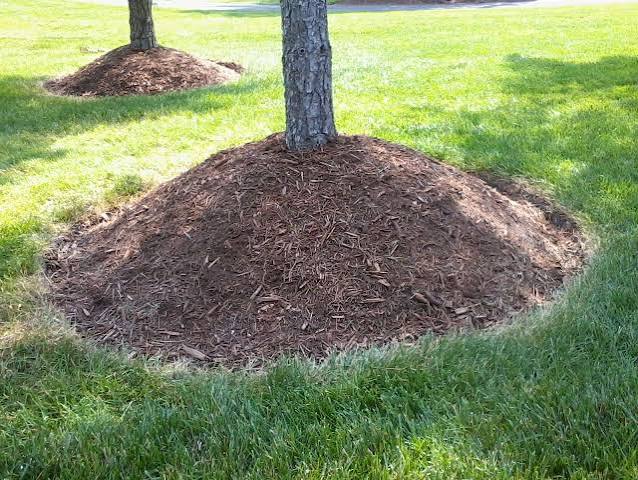
    Mulching provides a practical way to improve conditions around the root zone. Organic materials such as wood chips and shredded bark help slow moisture evaporation and reduce temperature fluctuations. They also limit weed growth, which can compete with trees for available resources. As mulch decomposes, it gradually contributes organic matter to the soil. Applying a moderate layer around the tree while keeping it away from the trunk supports a healthier growing environment.

    Root damage can occur during ordinary landscaping projects. Installing fences, digging garden beds, laying paving materials, and changing ground levels may disturb important roots. Even when a tree’s trunk and canopy appear unaffected, damage below the surface can eventually cause visible decline. Before beginning excavation or construction near established trees, property owners should consider obtaining advice from a qualified arborist. Planning ahead can help protect valuable trees and avoid expensive problems later.

    Nutrient availability is another factor in root health. Trees require several essential nutrients, but additional fertilizer is not always necessary. Applying fertilizer without understanding the soil conditions may encourage excessive growth or create an imbalance. A soil test can help determine whether a nutrient deficiency exists and whether corrective action is appropriate. Maintaining healthy soil structure and organic matter is often more useful than applying products without a clear reason.

    Signs of root problems are not always easy to recognize. A tree may develop thinning foliage, smaller leaves, premature leaf loss, or branches that gradually die back. Mushrooms near the base, damaged root flares, and changes in stability may also deserve attention. These symptoms can have different causes, so a proper assessment is important before deciding on treatment. Trees that suddenly lean or show major structural changes should be evaluated promptly by a professional.

    Professional tree care specialists can assess root-related concerns using their knowledge of tree biology and soil conditions. They may recommend changes to watering, soil management, or surrounding landscaping practices. In some situations, specialized root evaluations may be necessary to understand the extent of damage.

    Protecting roots is one of the most effective ways to support long-term tree health. Careful planting, suitable watering, healthy soil, and protection from construction damage all contribute to stronger development. By paying attention to what happens beneath the surface, property owners can preserve their trees and maintain healthier landscapes for many years.

  • Untitled post 9

    The Importance of Tree Maintenance for Long-Term Growth

    Introduction

    Trees are valuable parts of our natural environment, but planting them is only the first step toward creating a greener world. To grow properly and provide lasting benefits, trees need regular attention and suitable growing conditions. Proper maintenance helps trees remain healthy, strong, and resistant to environmental stress. Whether growing in gardens, parks, farms, or forests, well-maintained trees contribute to cleaner air, healthier soil, and more attractive surroundings.

    1. Providing Adequate Water

    Water is essential for tree growth because it supports photosynthesis and transports nutrients throughout the plant. Newly planted trees usually need regular watering while their roots become established. The amount of water required depends on the species, soil conditions, temperature, and rainfall. Deep watering can encourage roots to grow further into the soil.

    2. Maintaining Healthy Soil

    Healthy soil provides trees with the nutrients, air, and moisture they need. Compacted or damaged soil can prevent roots from developing properly. Adding organic matter, applying mulch, and avoiding unnecessary digging around the root zone can improve growing conditions. Protecting the soil is just as important as caring for the visible parts of a tree.

    3. Practicing Proper Pruning

    Pruning involves carefully removing selected branches to maintain tree health and structure. Dead, diseased, or damaged branches may need removal to reduce safety risks and prevent further problems. However, excessive pruning can weaken a tree and interfere with its natural growth. Large branches should be handled by trained professionals.

    4. Monitoring for Pests and Diseases

    Trees can be affected by insects, fungi, bacteria, and other harmful organisms. Early signs of problems may include unusual leaf discoloration, holes in leaves, damaged bark, or branches that begin to die. Regular observation helps identify issues before they become severe. Appropriate treatment should be selected according to the specific problem.

    5. Protecting Young Trees

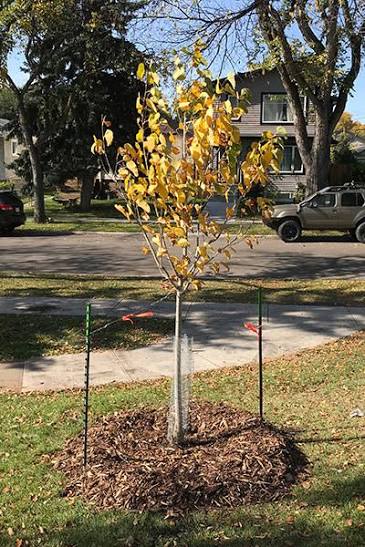
    Young trees are often more vulnerable to strong winds, animals, accidental damage, and extreme temperatures. Protective guards can prevent damage to trunks, while suitable supports may help newly planted trees in exposed locations. However, supports should not restrict trunk movement or remain attached longer than necessary.

    6. Providing Enough Space to Grow

    Trees need sufficient space for their roots, trunks, and branches to develop. Planting them too close to buildings, roads, underground pipes, or power lines can create problems as they mature. Selecting an appropriate planting location helps prevent future damage and reduces the need for unnecessary cutting.

    7. Preparing Trees for Seasonal Changes

    Different seasons create different challenges for trees. During hot weather, some species need additional water and protection from excessive heat. Heavy rainfall can create drainage problems, while storms may break weak branches. Seasonal inspections and appropriate care help trees remain healthy throughout the year.

    8. Seeking Professional Advice

    Some tree problems require expert knowledge and equipment. Arborists and trained forestry professionals can assess tree structure, diagnose diseases, recommend suitable treatments, and identify potential safety hazards. Their guidance helps property owners make responsible decisions and avoid damaging valuable trees.

    Conclusion

    Proper tree maintenance is essential for long-term growth and environmental protection. Regular watering, healthy soil management, careful pruning, and early detection of diseases can significantly improve tree health. Giving trees enough space and protecting them from physical damage also supports their development. By making tree care a continuous responsibility rather than a one-time activity, individuals and communities can preserve valuable trees and enjoy their benefits for many years.

  • Untitled post 6

    Caring for Trees in Changing Weather Conditions

    Trees are constantly exposed to environmental changes that influence their growth and overall condition. Rainfall, temperature, wind, sunlight, and seasonal transitions all affect how trees develop. While established trees can adapt to many natural conditions, extreme weather and sudden environmental changes may create stress. Understanding how to care for trees in different weather conditions helps property owners maintain healthier landscapes and reduce avoidable damage.

    Heavy rainfall can create problems when water cannot drain properly through the soil. Roots require both moisture and oxygen, so continuously saturated ground can interfere with their normal functions. Trees growing in low-lying areas or compacted soil may be especially vulnerable to drainage issues. Property owners should observe how water moves across their landscape after storms. If water regularly collects around a tree, improving drainage may be necessary. Any changes should be planned carefully to avoid disturbing established roots.

    Dry weather presents a different challenge. During extended periods without rain, trees may experience moisture stress that affects their leaves, branches, and overall growth. Young trees are particularly vulnerable because their root systems have not yet expanded into a large area. Deep watering can help provide moisture to the root zone, while a suitable mulch layer reduces evaporation from the soil surface. Watering requirements should be adjusted according to rainfall, soil conditions, and the needs of each tree species.

    Strong winds can expose weaknesses in branches and trunks. Trees with damaged limbs, poor branch attachments, or existing structural defects may be more likely to suffer breakage during storms. Regular inspections can help identify potential concerns before severe weather arrives. Removing deadwood and addressing specific structural problems through appropriate pruning may reduce some risks. However, excessive pruning can weaken a tree and should never be used as a substitute for proper structural assessment.

    Extreme heat can also influence tree health. High temperatures increase moisture loss through leaves, while dry soil limits the water available to replace it. Some trees respond by closing their leaf openings to conserve moisture, which can reduce normal growth activity. Providing appropriate irrigation during prolonged heat and protecting the root zone with organic mulch can help reduce stress. Trees should also be planted in locations that match their sunlight and temperature requirements.

    Cold weather creates additional maintenance considerations. Freezing temperatures can damage sensitive species, particularly when they are newly planted or growing outside their preferred climate range. Sudden temperature changes may also affect bark and young branches. Selecting trees suited to local conditions is one of the most effective ways to reduce cold-related problems. During winter, property owners should inspect trees for broken limbs and other visible damage without attempting dangerous work themselves.

    Seasonal pruning should be planned according to the tree species and the purpose of the work. Some trees are best pruned during dormancy, while others require attention at different times of the year. Removing dead or damaged branches is generally an important maintenance priority, but healthy foliage should be preserved whenever possible. Correct pruning techniques help maintain natural structure and reduce unnecessary stress.

    Weather-related tree problems can sometimes develop gradually. Leaves may become thinner, branches may stop producing normal growth, or the canopy may begin losing its usual shape. These changes can indicate drought stress, root problems, pest activity, or disease. Observing trees throughout the year makes it easier to recognize unusual patterns and seek appropriate advice.

    Professional arborists can provide valuable support when trees develop serious structural concerns or show signs of decline. They can evaluate damaged branches, assess possible root problems, and recommend maintenance suited to the tree’s condition. Professional assistance is especially important when trees are close to buildings, roads, or areas where people regularly gather.

    Adapting tree maintenance to changing weather conditions helps protect both trees and the surrounding property. Appropriate watering, healthy soil, careful pruning, and regular inspections provide a strong foundation for long-term growth. With consistent attention and timely professional guidance, property owners can help their trees remain resilient and attractive through different seasons and weather challenges.