Why Healthy Roots Matter in Tree Care
A tree’s strength begins beneath the ground. While branches, leaves, and trunks receive most of the attention, the root system performs essential work that determines how successfully a tree grows. Roots absorb water and nutrients, anchor the tree, and interact with the surrounding soil. When roots remain healthy, trees are generally better equipped to withstand environmental stress and maintain steady development. Understanding root care is therefore an important part of responsible landscape maintenance.
Tree roots need sufficient space to expand. In natural environments, many root systems spread outward well beyond the area directly beneath the trunk. However, residential and commercial landscapes often contain sidewalks, driveways, foundations, and underground utilities that restrict available growing space. Planting trees in suitable locations helps prevent future conflicts and gives roots a better opportunity to develop. Property owners should consider the mature size of a species before choosing where to plant it.
Soil compaction is one of the most common threats to root development. When soil particles are pressed tightly together, air and water have difficulty moving through the ground. Roots may struggle to obtain the oxygen needed for normal growth, particularly in heavily used areas. Construction equipment, parked vehicles, and repeated foot traffic can contribute to this problem. Protecting the soil around trees from unnecessary pressure helps maintain a healthier root environment.
Water management also has a direct effect on root condition. Too little moisture can cause roots to dry out, while excessive water may reduce the oxygen available in saturated soil. Both situations can interfere with nutrient absorption and weaken the tree over time. Newly planted trees usually require more frequent watering because their roots are still becoming established. Mature trees may need supplemental moisture during extended dry periods, depending on their species and local conditions.
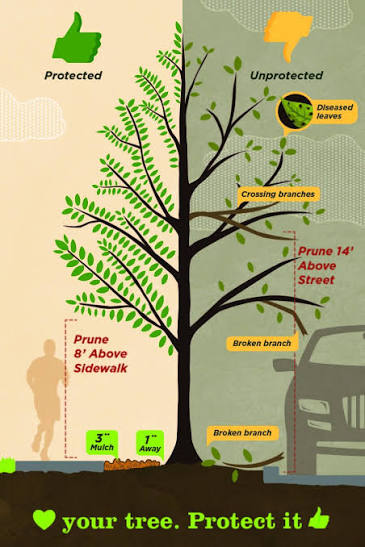
Mulching provides a practical way to improve conditions around the root zone. Organic materials such as wood chips and shredded bark help slow moisture evaporation and reduce temperature fluctuations. They also limit weed growth, which can compete with trees for available resources. As mulch decomposes, it gradually contributes organic matter to the soil. Applying a moderate layer around the tree while keeping it away from the trunk supports a healthier growing environment.
Root damage can occur during ordinary landscaping projects. Installing fences, digging garden beds, laying paving materials, and changing ground levels may disturb important roots. Even when a tree’s trunk and canopy appear unaffected, damage below the surface can eventually cause visible decline. Before beginning excavation or construction near established trees, property owners should consider obtaining advice from a qualified arborist. Planning ahead can help protect valuable trees and avoid expensive problems later.
Nutrient availability is another factor in root health. Trees require several essential nutrients, but additional fertilizer is not always necessary. Applying fertilizer without understanding the soil conditions may encourage excessive growth or create an imbalance. A soil test can help determine whether a nutrient deficiency exists and whether corrective action is appropriate. Maintaining healthy soil structure and organic matter is often more useful than applying products without a clear reason.
Signs of root problems are not always easy to recognize. A tree may develop thinning foliage, smaller leaves, premature leaf loss, or branches that gradually die back. Mushrooms near the base, damaged root flares, and changes in stability may also deserve attention. These symptoms can have different causes, so a proper assessment is important before deciding on treatment. Trees that suddenly lean or show major structural changes should be evaluated promptly by a professional.
Professional tree care specialists can assess root-related concerns using their knowledge of tree biology and soil conditions. They may recommend changes to watering, soil management, or surrounding landscaping practices. In some situations, specialized root evaluations may be necessary to understand the extent of damage.
Protecting roots is one of the most effective ways to support long-term tree health. Careful planting, suitable watering, healthy soil, and protection from construction damage all contribute to stronger development. By paying attention to what happens beneath the surface, property owners can preserve their trees and maintain healthier landscapes for many years.
Leave a Reply