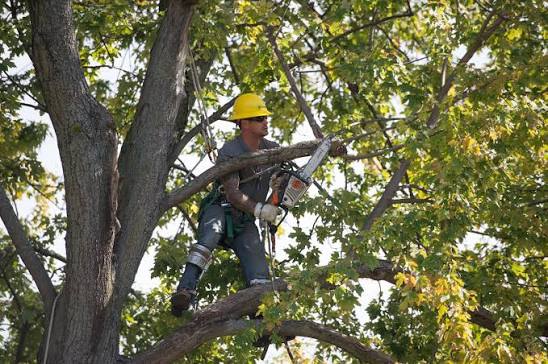
Preparing Landscape Trees for Long-Term Health
A well-planned landscape can remain attractive for decades when its trees receive consistent attention. Trees are living features that continue changing as they grow, respond to weather, and interact with their surroundings. Their needs may also change as nearby buildings, gardens, and outdoor structures develop. Long-term tree care focuses on understanding these changes and providing the right maintenance before small concerns become expensive problems.
Planning begins with knowing what grows on the property. Identifying tree species helps determine their expected size, preferred growing conditions, and common maintenance requirements. Some trees naturally develop wide canopies, while others grow taller with relatively narrow shapes. Understanding these characteristics makes it easier to decide whether a tree has enough room and whether nearby structures could eventually become obstacles. This knowledge is particularly valuable when planning new landscaping projects.
A tree inventory can make property maintenance more organized. Recording the location, approximate age, species, and general condition of important trees provides a useful reference for future inspections. Property owners can also note previous pruning, visible damage, and recurring health concerns. Keeping these observations in one place makes it easier to recognize gradual changes that might otherwise go unnoticed. It also provides helpful information when consulting a professional arborist.
Protecting the growing environment should remain a priority. Trees need healthy soil, adequate moisture, and sufficient space for their roots. Landscaping changes can unintentionally interfere with these requirements. Raising soil levels around a trunk, installing impermeable surfaces over root areas, or repeatedly compacting the ground may affect tree health. Before making major changes near established trees, property owners should consider how the work could influence underground roots and drainage patterns.
Canopy maintenance should be based on the tree’s natural structure. Removing dead or damaged branches can reduce hazards, while selective pruning may improve clearance around buildings and walkways. However, every tree does not require the same pruning schedule. Some species need very little intervention when planted in suitable locations. Others may benefit from periodic structural maintenance, particularly when growing in confined urban environments. Avoiding unnecessary cutting helps preserve natural strength.
Weather preparation is another part of long-term planning. Trees may experience stress during extended drought, severe storms, unusually cold winters, or intense summer heat. A tree that grows well under normal conditions may struggle when environmental conditions change suddenly. Regular inspections can help identify weak branches, damaged trunks, and other concerns before difficult weather arrives. After a severe storm, damaged trees should be assessed carefully, especially when large limbs remain suspended in the canopy.
Managing pests and diseases requires patience and accurate identification. Unusual leaf patterns, holes in the bark, premature leaf loss, and declining branches may indicate an underlying issue. However, similar symptoms can result from several different causes. Applying treatments without understanding the problem may produce disappointing results and unnecessary expense. When symptoms persist or spread, professional diagnosis can help identify the most appropriate management strategy.
Tree protection should also be included in construction and renovation planning. Excavation, utility installation, driveway improvements, and building extensions can all affect nearby trees. Root damage may not produce immediate symptoms, so the full impact of construction activity can become apparent much later. Identifying important trees before work begins allows property owners and contractors to establish protective areas and reduce unnecessary disturbance.
Long-term maintenance also involves recognizing when a tree may need professional attention. Significant trunk cracks, extensive decay, major dead branches, and sudden changes in stability should never be ignored. Qualified arborists can evaluate structural conditions and explain suitable options for preserving or managing a tree. Their advice can help property owners balance landscape goals with safety requirements.
Healthy landscapes are created through consistent planning rather than occasional emergency work. By maintaining records, protecting root systems, monitoring tree condition, and scheduling appropriate maintenance, property owners can make informed decisions throughout a tree’s life. A thoughtful long-term approach helps preserve valuable trees, improve outdoor spaces, and support a healthier environment for future generations.
Leave a Reply